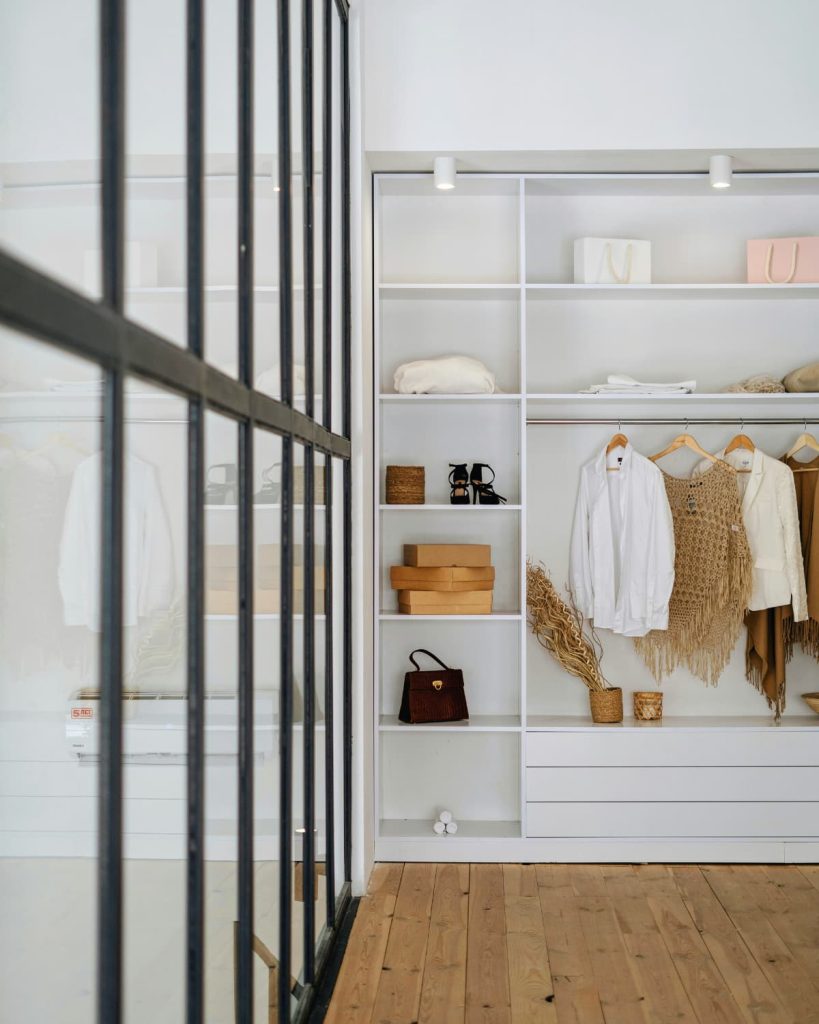
Pantry storage fails far more often because of incorrect shelf depth than lack of space. Shelves that are too deep hide food, create clutter, and lead to overbuying. Shelves that are too shallow limit what you can store and waste vertical potential.
This guide explains standard pantry shelf depth, how depth affects usability, and how to choose dimensions that actually work, especially in small kitchens and apartments, where visibility and access matter more than raw capacity.
What Is Pantry Shelf Depth (And Why It’s Often Misunderstood)
Shelf depth refers to the usable horizontal space from the front edge of the shelf to the back wall, not the cabinet depth itself. In most kitchens, cabinet depth exceeds what can be used comfortably.
The key issue:
Just because a shelf can be deep doesn’t mean it should be.
Human reach, visibility, and item size all limit effective depth long before you hit the back wall.
Standard Pantry Shelf Depth (Quick Reference)
For most residential kitchens, the following ranges are considered functional:
| Pantry Type | Recommended Shelf Depth |
|---|---|
| Shallow pantry | 10–12 inches |
| Standard pantry | 12–16 inches |
| Deep pantry | 16–20 inches (maximum) |
Anything deeper than 16 inches usually requires bins, pull-outs, or dividers to remain usable.
Depth beyond 20 inches almost always reduces efficiency unless the shelf pulls out fully.
Why Pantry Shelf Depth Matters More Than Shelf Height
Many people focus on shelf height first, but depth determines usability.
Excessive depth leads to:
- Items hidden behind others
- Food expiring unnoticed
- Duplicate purchases
- Heavy items stored too far back
- Poor visual inventory
Shelf height determines how much you can store vertically.
Shelf depth determines whether you can actually use it.
For spacing logic and vertical planning, see:
→ [How Many Inches Between Kitchen Shelves? Standard Spacing Explained]
Pantry Shelf Depth by Storage Type
1. Canned Goods and Jars
Ideal depth: 10–12 inches
This depth:
- Keeps all labels visible
- Prevents double-row stacking
- Makes inventory checks fast
Cans and jars rarely exceed 6–7 inches in depth, so anything deeper than 12 inches adds little value.
2. Dry Goods and Boxes
Ideal depth: 12–14 inches
Best for:
- Cereal boxes
- Pasta packages
- Baking supplies
- Snack containers
This depth allows one clean row of items without hiding anything behind.
3. Storage Containers and Bins
Ideal depth: 14–16 inches
If you use containers:
- Match shelf depth to container depth
- Avoid shelves that allow two containers front-to-back unless using pull-outs
This is where pantry design often starts to fail when depth is uncontrolled.
4. Bulk Items and Small Appliances
Ideal depth: 14–16 inches (with structure)
Examples:
- Rice containers
- Small kitchen appliances
- Large jars
These items require intentional placement and usually benefit from:
Without structure, deep shelves become dead zones.
When Deeper Pantry Shelves Make Sense (And When They Don’t)
Deeper shelves can work IF:
- The shelf pulls out fully
- Items are grouped in bins
- The pantry is narrow but tall
- Access is designed intentionally
Deeper shelves fail when:
- Items are loose
- Shelves are fixed
- Visibility is blocked
- Heavy items are stored at the back
If depth exceeds 16 inches without a system, usability drops sharply.
Pantry Shelf Depth vs Cabinet Depth (Critical Distinction)
| Cabinet Depth | Usable Shelf Depth |
|---|---|
| 24 inches (standard base) | ~14–16 inches usable |
| 21 inches (shallow) | ~12–14 inches usable |
| 30 inches (custom) | ~16–18 inches usable |
The remaining depth is often lost to:
- Back wall clearance
- Door thickness
- Reach limitations
Designing shelves to cabinet depth instead of human reach is a common mistake.
Common Pantry Shelf Depth Mistakes
“More Depth = More Storage”
In reality, deeper shelves often reduce usable storage.
Designing for Maximum Capacity
Design for access, not theoretical volume.
Ignoring Item Size
Shelf depth should match what you store — not what fits “just in case”.
No Containment Strategy
Deep shelves without bins or pull-outs create clutter over time.
How to Choose the Right Pantry Shelf Depth (Step-by-Step)
- List what you store
- Cans, boxes, containers, appliances
- Measure the deepest item
- Add 1–2 inches for clearance
- Choose the shallowest depth that fits
- Shallow shelves outperform deep ones in most homes
- Add structure only where needed
- Use bins or pull-outs selectively
For broader organization logic, see:
→ [How to Organize Your Home Effectively: A Thoughtful, Functional Approach That Lasts]
Pantry Shelf Depth in Small Kitchens
In apartments and compact kitchens:
- Shallow shelves reduce visual clutter
- Access matters more than capacity
- Overstocking becomes a bigger problem
A well-planned shallow pantry often stores more usable food than a deep, disorganized one.
This is consistent with small-space planning principles explained in:
→ [Best Space Saving Furniture for Small Apartments: Complete 2026 Guide]
Pantry Shelf Depth Cheat Sheet
- Cans & jars → 10–12 in
- Boxes & dry goods → 12–14 in
- Containers & bins → 14–16 in
- Max depth without pull-outs → 16 in
- Over 16 in → use structure
FAQ: Pantry Shelf Depth
Is 20 inches too deep for pantry shelves?
Usually yes, unless the shelf pulls out or uses bins.
Should all pantry shelves be the same depth?
No. Mixing depths improves efficiency.
Is shallow better than deep in small kitchens?
Almost always.
Final Takeaway
- 12–16 inches is the most reliable pantry shelf depth
- Deeper shelves require intentional systems
- Visibility beats capacity every time
- Shallow, organized shelves reduce waste and clutter
A pantry works best when shelves are designed around how people see and reach, not how much space exists on paper.
This post may contain affiliate links. As an Amazon Associate, we earn from qualifying purchases.