
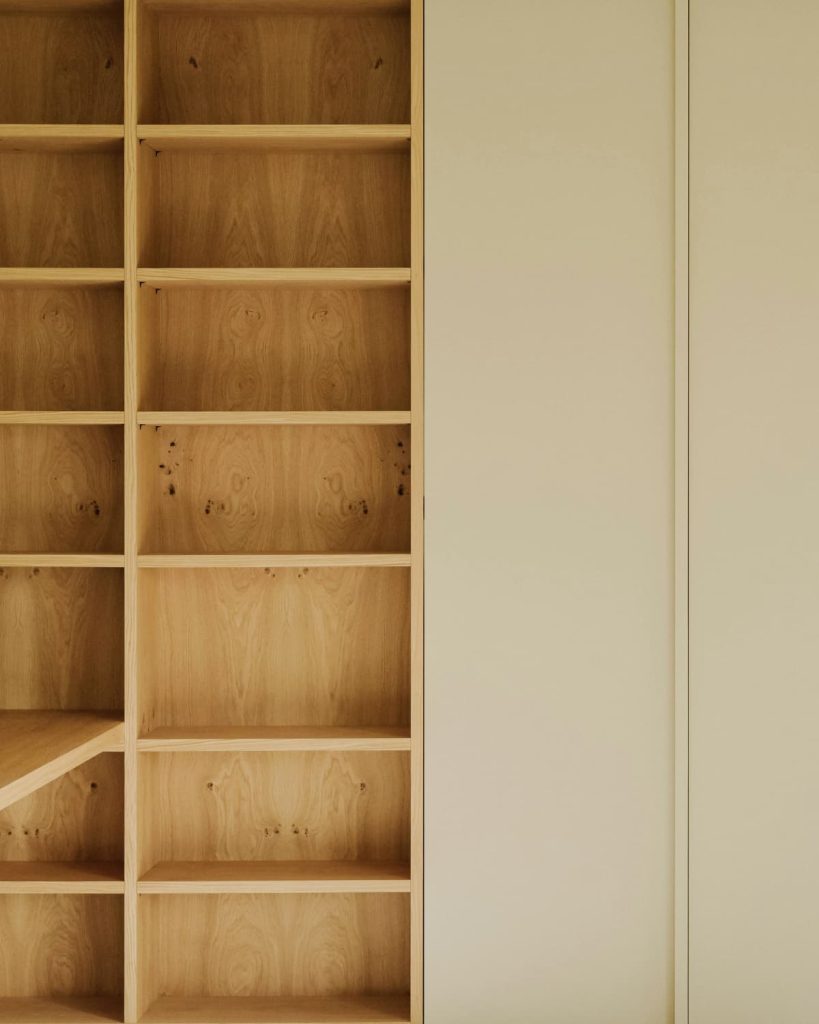
When planning kitchen shelving, open shelves, pantry shelves, or cabinet interiors, one question comes up again and again:
How many inches should there be between kitchen shelves?
Getting this measurement wrong leads to wasted space, awkward storage, and shelves that look good but don’t actually work. This guide breaks down standard kitchen shelf spacing, when to adjust it, and how to plan shelves that support real, everyday use, especially in small kitchens and apartments.
Standard Spacing Between Kitchen Shelves (Quick Answer)
For most kitchens, the recommended vertical spacing between shelves is:
10 to 15 inches (25–38 cm)
This range works for plates, bowls, glasses, pantry containers, and most daily kitchen items.
Standard Shelf Spacing by Use
| Shelf Use | Recommended Spacing |
|---|---|
| Plates & bowls | 10–12 inches |
| Pantry jars & containers | 12–15 inches |
| Tall bottles / appliances | 16–20 inches |
| First shelf above countertop | 18–20 inches |
Important: Shelf spacing is measured as the clear vertical space between shelves, not including the shelf thickness itself.
Why Kitchen Shelf Spacing Matters More Than You Think
Shelf spacing directly affects:
- How many items you can store
- Whether tall items actually fit
- Ease of access and visibility
- Overall kitchen efficiency
Poor spacing often leads to cluttered counters and underused vertical space, especially in small kitchens where every inch counts.
If your kitchen is compact, this guide pairs well with
→ [Best Kitchen Gadgets for Small Kitchens: Smart Tools That Save Space and Time]
Recommended Shelf Spacing by Kitchen Zone
1. Everyday Dish Storage
Best spacing: 10–12 inches
This works well for:
Tighter spacing increases shelf count without sacrificing usability.
2. Pantry & Dry Goods Shelving
Best spacing: 12–15 inches
Ideal for:
If you’re planning a pantry layout, combine this with
→ [How to Organize Your Home Effectively: A Thoughtful, Functional Approach That Lasts]
3. Shelves for Appliances & Tall Items
Best spacing: 16–20 inches
Needed for:
In small kitchens, it’s smart to dedicate one or two wider shelves rather than oversizing everything.
For appliance planning, also see
→ [Smart Kitchen Appliances for Small Kitchens: Intelligent Tools That Truly Make a Difference]
How to Plan Shelf Spacing Step by Step
Step 1: Start from the Countertop
- Leave 18–20 inches between the countertop and the first shelf
- This allows room for appliances and daily prep
Step 2: Plan for Your Tallest Item
Measure the tallest item you want to store and add 2–3 inches of clearance.
Step 3: Repeat with Consistent Spacing
Once the tallest items are accounted for, keep spacing consistent above to avoid wasted vertical space.
If you’re working from architectural or standardized dimensions, reference
→ [Neufert Basic Dimensions for Residential Design: A Human-Centered, Verified Guide]
Common Shelf Spacing Mistakes (And How to Avoid Them)
Shelves Too Close Together
- Limits what you can store
- Forces tall items onto countertops
Shelves Too Far Apart
- Reduces total storage capacity
- Makes upper shelves hard to access
Ignoring Shelf Thickness
Always account for shelf thickness (typically ¾″–1½″) when planning spacing.
Shelf Spacing Cheat Sheet (Save This)
- Plates & bowls → 10–12 inches
- Pantry containers → 12–15 inches
- Appliances → 16–20 inches
- Above countertop → 18–20 inches
FAQ: Kitchen Shelf Spacing
Can shelves be closer than 10 inches?
Yes, for spices, small jars, or decorative storage. For functional kitchen use, anything under 10 inches becomes restrictive.
Should open shelves follow the same spacing as cabinets?
Generally yes, but open shelves often benefit from slightly tighter spacing for better visual balance.
Does shelf depth affect spacing?
Yes. Deeper shelves often need more vertical clearance to comfortably access items.
For deeper storage solutions, see
→ [7 Kitchen Gadgets That Make Small Kitchens Look Bigger]
Final Takeaway
- 10–15 inches is the most versatile kitchen shelf spacing
- Plan shelves around what you actually store, not generic rules
- In small kitchens, intentional spacing matters more than aesthetics
This post may contain affiliate links. As an Amazon Associate, we earn from qualifying purchases.