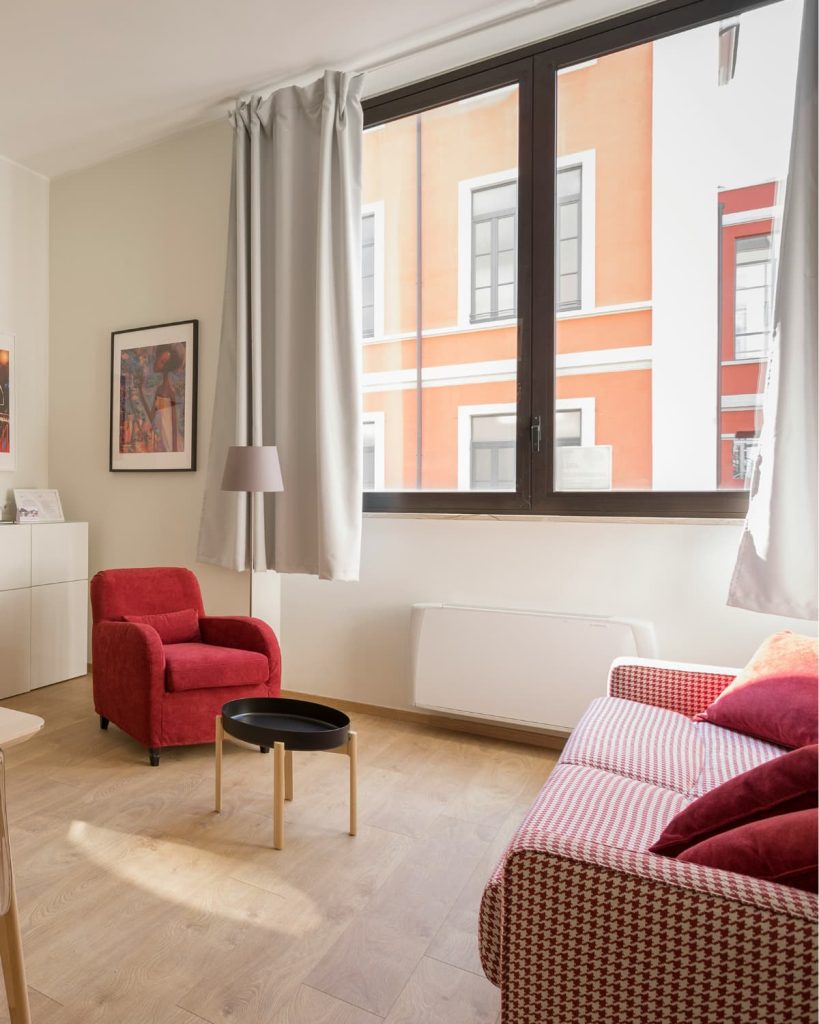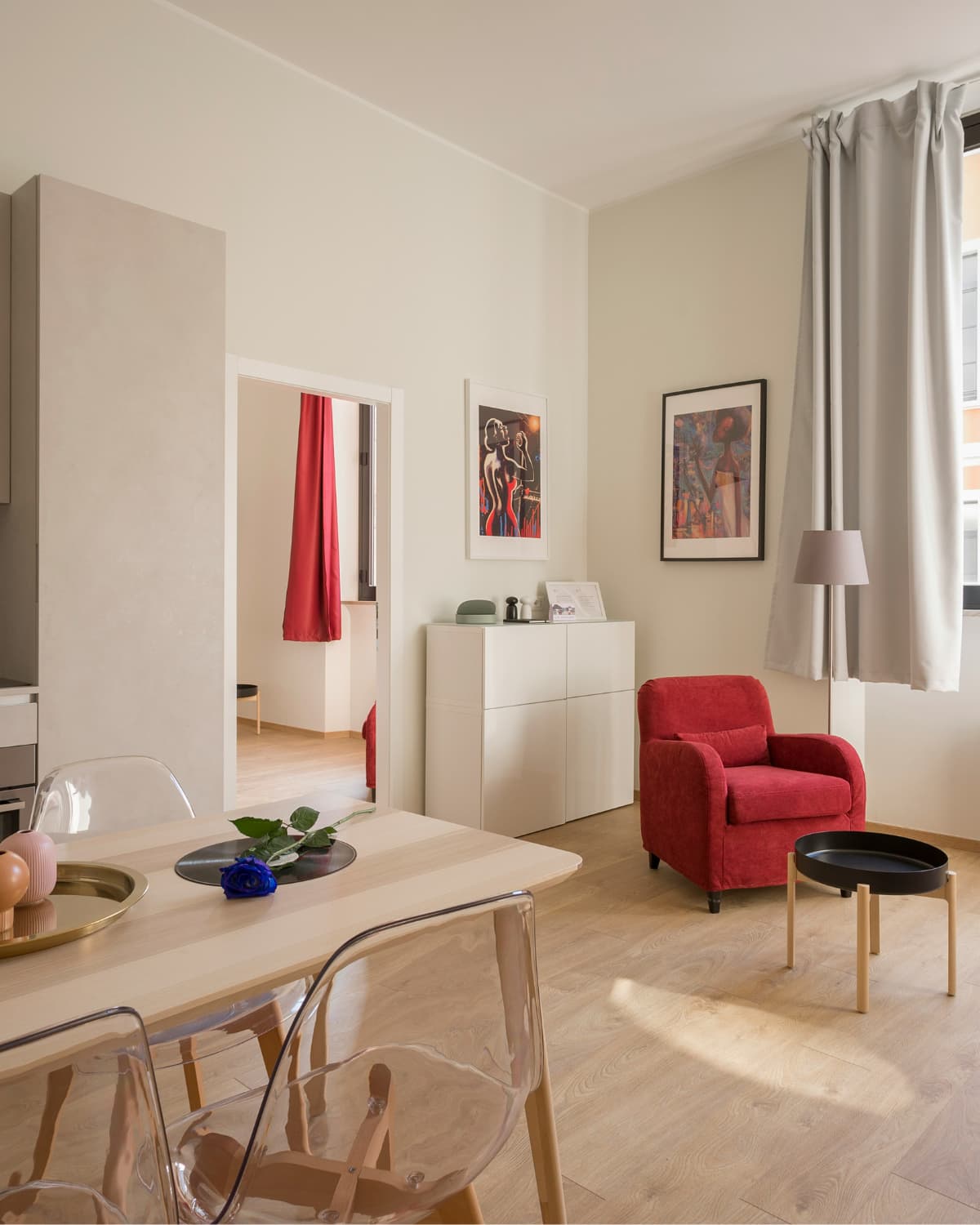
Living in a compact apartment can feel cramped even when the square footage seems ample. The reason is often not the size but unintentional small apartment layout mistakes that reduce usable space and make everyday movement awkward. These layout problems are common and usually avoidable once you understand the patterns that cause them.
Many people assume that small space issues are solved by better furniture or clever storage. In reality, storage and furniture only work well when the underlying layout supports movement, access, and everyday use. This article explains the most frequent layout traps people fall into and offers reliable ways to fix them.
Mistake 1 Starting With Furniture Instead Of Flow
A typical error in small apartment layout design is starting with furniture placement before understanding how people actually move through the space. People often place a sofa or bed first based on appearance or style rather than function. This quickly leads to blocked pathways, constrained circulation, and unusable corners.
When furniture interrupts the natural flow of the room, the space feels smaller, and movement becomes effortful. The brain notices blocked paths before it notices decorations.
How To Avoid This
Before placing furniture, map the main movement paths in the room. These paths include entrances from the front door, transitions between living zones, and open sightlines to light sources. Effective layouts preserve these routes.
For living rooms and bedrooms especially, consider maintaining clear access to windows and doors. This reduces the sense of constraint and improves circulation.
Use measurement tools and clear guidelines such as those in Standard Bedroom Closet Dimensions to understand true spatial relationships.
Mistake 2 Ignoring Vertical Space
A pervasive tendency in compact apartments is focusing only on floor area and ignoring walls. Floor level storage and furniture are typically bulky and can make the space feel visually and physically crowded. Conversely, upper wall space often goes unused even though it can provide significant storage or display potential.
This oversight, a classic small space layout problem, leaves clutter at eye level and floor constricted.
Effective Strategy
Instead of solely relying on floor furniture, use vertical elements such as wall shelves, floating cabinets, or tall bookcases positioned to support movement and light flow.
Be sure to measure how high you install wall mounted elements to ensure they are reachable and do not interfere with sight lines or lighting fixtures.
For kitchen layouts, the spacing above countertops is already covered in How Much Space Do You Need Between Countertop and Upper Cabinets which shows why vertical clearances matter.
Mistake 3 Clustering All Furniture Against Walls
In small spaces, many people default to pushing furniture flush against walls. The logic is that walls save space by leaving more open floor area. In practice, this often creates awkward dead zones and disrupts how rooms feel.
For example, placing a sofa against the longest wall without considering other seating or the orientation of the room can create an imbalance. Similarly, arranging a bed purely against a wall can limit bedside access and circulation.
Better Approach
Instead of automatically anchoring every piece of furniture to the wall, create small zones with intentional spacing. This can help define function without unnecessary crowding. Rugs, lighting, or open shelving can serve as anchors when furniture is slightly pulled away from walls.
This approach also helps avoid several compact apartment design issues, such as visual tension and blocked circulation.
If you are unsure whether your furniture placement is actually helping or hurting your space, the issue is usually not the furniture itself but how the layout was planned. A clear layout overview can reveal wasted zones and blocked movement you might not notice day to day.
For a structured way to evaluate your space before moving or buying anything else, [The Small Space Fit Kit] walks through measurements, circulation planning, and layout logic step by step using real apartment scenarios.
Mistake 4 Lack Of Transition Zones
Another common small apartment layout mistake is ignoring transitional zones between spaces. Entryways, hallways, and transition corners are often treated as leftover areas rather than functional parts of the layout.
This usually creates clutter or pressure points. An entryway that lacks a place to pause to take off shoes or hang bags will spill into the living room. A transition between kitchen and living area that is not clearly defined feels messy and confusing.
Fixing Transition Zones
Even minimal transition areas can be functional with a small bench or a slim console. The goal is to acknowledge these zones as part of the apartment’s overall flow, not as filler space.
Transition planning connects directly to storage decisions, which you can explore further in Renter Friendly Storage Solutions for Small Apartments No Drilling!
Mistake 5 Overlooking Circulation Space Around Furniture
Even if each piece of furniture fits the room, the overall layout can still fail when circulation space is not considered. In many compact apartments, people measure the size of pieces but not the space needed to walk around them or use them comfortably.
For example, placing a dining table flush with a wall can make chairs hard to pull out. A couch placed too close to a door can restrict entry flow.
Planning Circulation Space
A good rule of thumb is to maintain consistent walking space between key elements of the room. While exact measurements vary by room and use case, beginning with at least half a meter of freewalk space between major furniture and walls is a practical starting point.
By addressing this early in the design process, many of the most frustrating small apartment layout issues can be solved before they occur.
Circulation problems are one of the most common reasons small apartments feel uncomfortable even when everything technically fits. These issues are hard to diagnose without stepping back and looking at the layout as a whole.
If you want a second set of eyes on your space and practical guidance tailored to your apartment, [Small Apartment Storage Layout Fix Consultation] explains when a focused layout review can save time and prevent costly mistakes.
Mistake 6 Following Trend Images Without Context
Inspirational photos and staged layouts are useful for ideas. However, many of these images do not reflect real everyday living, especially in compact apartments.
Trend images often omit essential functional elements such as storage, circulation, and daily use patterns. Basing your layout entirely on such visuals can lead to impractical outcomes.
How To Use Inspiration Wisely
Use trend images for mood and tone, not structural planning. Always verify how a layout handles movement, storage, and real furniture dimensions before adopting a complete approach from an image or social feed.
Context matters more than visual resemblance.
Mistake 7 Ignoring Lighting And Visual Balance
Sometimes a compact space feels smaller not because of physical barriers but due to visual imbalance. Poor lighting or heavy dark furniture can make a room feel tighter even when circulation space is adequate.
Lighting and color impact spatial perception. Natural light should be maximized, and lighter finishes can help rooms feel more open. However, color alone does not fix layout issues. Both lighting and layout must work together.
Fixing Layout Problems Without Renovation
Many people assume layout problems require renovation. In reality, most issues can be improved through planning, repositioning, and informed furniture choices without major construction.
Start with:
- Mapping circulation paths
- Prioritizing activity zones
- Measuring precisely
- Creating visual anchors
Improving flow and visibility can create the experience of more space without structural change.
When It Makes Sense To Seek Help
Many layout issues repeat across small apartments, but the way they show up is always specific to the space and the person living in it. When generic advice stops working, clarity usually comes from understanding how your apartment functions as a system rather than a collection of rooms.
This is especially valuable when multiple functional zones must coexist in compact layouts.
If you want a practical framework to analyze your space and make confident layout decisions, start with [The Small Space Fit Kit] or explore [Small Apartment Storage Layout Fix Consultation] if you prefer personalized guidance.
Final Thoughts
Compact apartments often feel smaller than they need to not because of square footage but due to layout decisions made without clear planning.
By avoiding these small apartment layout mistakes, you can unlock usable space, improve movement, and create a home that feels calm and functional rather than tight and constrained.
If you want to explore storage adjustments and layout planning further, revisit the related resources linked above or visit our Guides page.
This post may contain affiliate links. As an Amazon Associate, we earn from qualifying purchases.