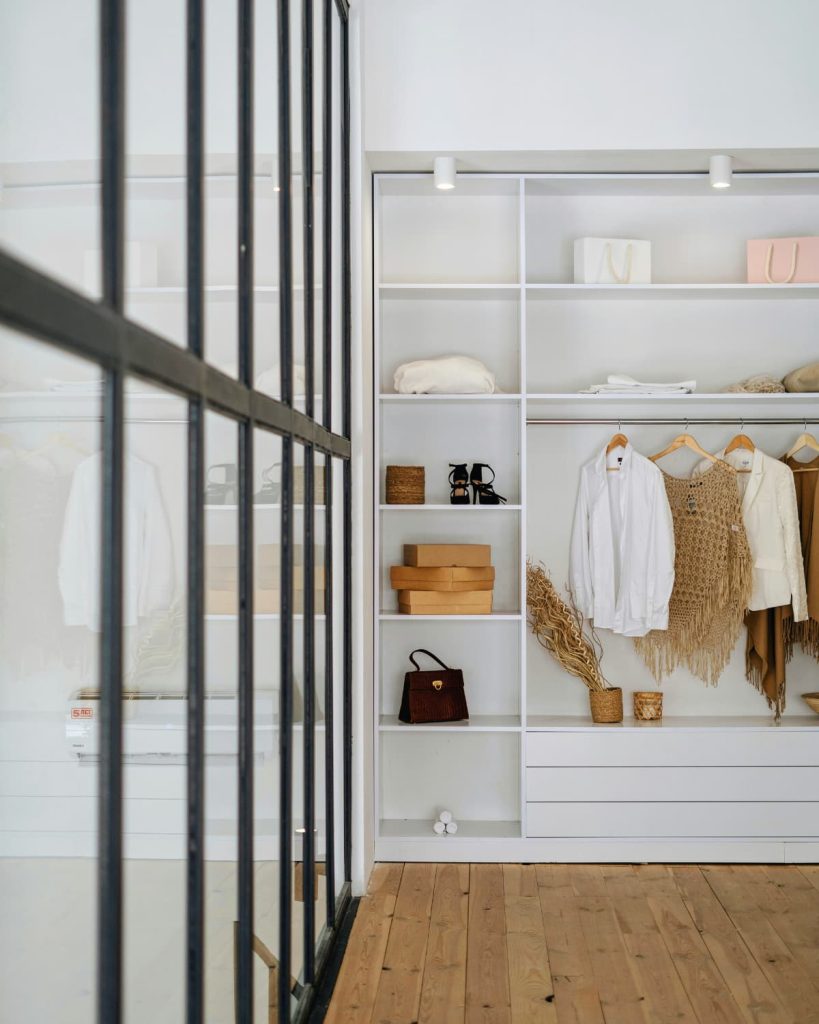
Hallways are rarely designed intentionally. They’re often treated as leftover space, which is why many homes feel tight, awkward, or uncomfortable to move through, even when rooms themselves are well sized.
This guide explains standard hallway width, what dimensions actually work in real homes and apartments, and how to choose widths that support daily movement, furniture transport, and long-term usability without wasting valuable square footage.
What “Standard Hallway Width” Really Means
There is no residential building code that mandates a single hallway width for all homes.
“Standard” refers to commonly used, functional ranges that balance:
- Human movement and comfort
- Furniture transport
- Door and circulation clearance
- Efficient use of floor area
A hallway should support movement first, not just meet a minimum number on paper.
Standard Hallway Width (Quick Reference)
| Hallway Type | Functional Width Range |
|---|---|
| Absolute minimum (short runs) | 36 inches |
| Comfortable residential hallway | 42–48 inches |
| High-traffic or shared hallway | 48–60 inches |
Widths below 36 inches are generally impractical for daily use.
Why Hallway Width Matters More Than You Think
Hallways are used for:
- Daily circulation
- Carrying laundry, groceries, luggage
- Moving furniture
- Passing another person
Too-narrow hallways cause:
- Shoulder and elbow collisions
- Difficulty moving furniture
- Bottlenecks near doors
- Homes that feel tighter than they are
Unlike rooms, hallways are experienced in motion, which makes proportion critical.
Minimum vs Comfortable Hallway Width
36 Inches: The Bare Minimum
- Works only for short, straight hallways
- No allowance for passing
- Tight when doors open into the hall
36 inches should be treated as a last resort, not a design goal.
42–48 Inches: The Sweet Spot
This range:
- Allows one person to walk comfortably
- Accommodates door swing
- Feels proportionate in most homes
- Works well in apartments
Most well-functioning residential hallways fall here.
48–60 Inches: High Comfort
Best for:
- Long hallways
- Family homes
- Homes with multiple doors opening into the hall
Beyond 60 inches, a hallway often becomes wasted space unless it includes storage or design intent.
Hallway Width and Door Swing (Critical Interaction)
Doors opening into a hallway reduce usable width.
Common door widths:
- Interior doors → 28–32 inches
If a door opens into a 36-inch hallway, it can block most of the passage.
This same clearance logic applies in kitchens and bathrooms:
[Kitchen Cabinet Door Clearance: Minimum Space You Actually Need]
Planning takeaway:
- Narrow hallways + inward-opening doors = problems
Hallway Width and Furniture Movement
A hallway might feel fine daily but fail when:
- Moving a sofa
- Carrying a mattress
- Transporting cabinets or appliances
Furniture movement requires:
- Extra shoulder clearance
- Turning space
- Door alignment
This is why 42–48 inches performs far better over time than the minimum.
Hallways in Apartments vs Houses
Apartments
- Space is limited
- Hallways are often shorter
- Storage may be integrated
Best practice:
- 42 inches minimum when possible
- Avoid inward-opening doors where space is tight
- Use visual lightness to reduce bulk
These strategies align with broader small-space principles:
[Best Space Saving Furniture for Small Apartments: Complete 2026 Guide]
Houses
- Longer hallways
- More doorways
- Higher traffic
Best practice:
- 48 inches or more
- Consistent width throughout
- Careful door alignment
Hallway Width and Storage (When It Makes Sense)
Wide hallways can accommodate:
- Shallow cabinets
- Linen storage
- Built-in shelves
But storage must be shallow to avoid reducing passage width.
Depth planning follows the same logic used in linen and pantry storage:
[Standard Linen Closet Dimensions (Shelves That Actually Work)]
Common Hallway Width Mistakes
Designing to the Minimum Everywhere
Minimum widths reduce flexibility and comfort.
Ignoring Door Placement
Doors steal space when open.
Over-widening Without Purpose
Wide halls without storage or design intent waste space.
Inconsistent Widths
Sudden narrow points feel constricting.
Avoid circulation and clearance mistakes with a measurement-based planning system → The Small Space Fit Kit
Step-by-Step: Choosing the Right Hallway Width
- Measure available floor area
- Identify doors opening into the hallway
- Decide if passing or storage is needed
- Choose 42–48 inches whenever possible
- Keep width consistent along the run
Not sure how hallway width, doors, and furniture movement work together in your home?
The Small Space Fit Kit helps you plan circulation, clearances, and layouts using real measurements, so movement feels easy, even in apartments and tight spaces.
Hallway Width Cheat Sheet
- Absolute minimum → 36 in (short runs only)
- Comfortable residential → 42–48 in
- High-traffic → 48–60 in
- Door interaction → add clearance
- Consistency > maximum width
FAQ: Standard Hallway Width
Is 36 inches enough for a hallway?
It works only in short, low-traffic situations.
Does hallway width affect home value?
Indirectly, poor circulation makes homes feel cramped.
Should hallways be wider in small homes?
Proportion matters more than size; slightly wider often feels better.
Final Takeaway
- Hallways should support movement, not just access
- 42–48 inches is the most reliable residential range
- Door swing and furniture movement matter
- Well-proportioned hallways make homes feel larger overall
A good hallway disappears when it works, and becomes obvious only when it doesn’t.
This post may contain affiliate links. As an Amazon Associate, we earn from qualifying purchases.