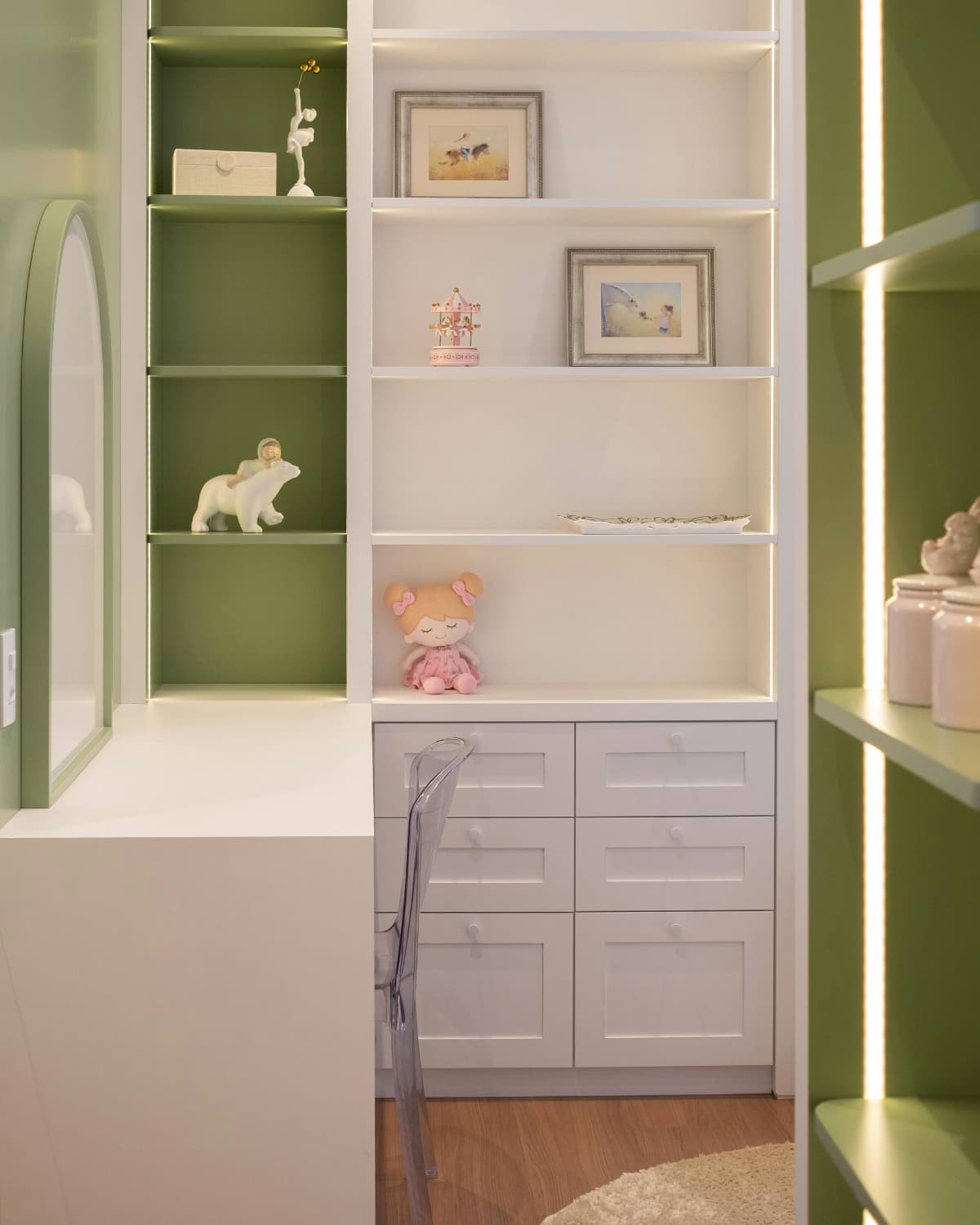
Many people assume that buying storage furniture will automatically make a small apartment feel more organized and spacious. In truth, storage furniture for small apartments only works when it supports movement, improves access, and fits into the existing layout. Without careful planning, storage furniture can inadvertently worsen the very problems it is meant to solve.
Understanding what makes storage furniture effective requires recognizing basic layout and usability principles. The wrong piece of furniture can block circulation paths, reduce visual space, and even become a barrier to daily routines. In this article, we explore what actually works, why some solutions fail, and how to choose storage furniture that genuinely improves compact living spaces.
This discussion builds on foundational layout logic introduced in [Small Apartment Layout Mistakes That Waste Space And How To Fix Them] and connects storage decisions directly to how your apartment functions as a whole.
Why Storage Furniture Often Fails In Small Apartments
One of the biggest reasons storage furniture fails in small apartments is that it is chosen before considering how the space functions. People often look at storage furniture in isolation, choosing pieces based on style, size, or popularity rather than understanding how the piece will interact with circulation paths, natural light, or existing furniture.
For example, a large storage cabinet placed without regard for walkways can block a natural path from the front door to seating or kitchen areas. A deep bookshelf may hold many items but can make the room feel visually heavy and crowded.
A core principle of effective compact apartment design is that storage should improve movement, not hinder it. When storage furniture interferes with daily use, it becomes part of the problem rather than the solution.
Storage Furniture Must Serve A Real Need
Before purchasing any storage furniture, it is important to identify exactly what need it is solving. Storage furniture should have a clear purpose tied to the way you use your space.
Ask these questions:
What items need daily access?
How often will the storage be used?
Does the storage location support the routine where the items are used?
Storage furniture that does not clearly support a daily need often becomes a place where items pile up instead of being genuinely useful.
What Types Of Storage Furniture Work Best In Small Apartments
Certain categories of storage furniture consistently perform better in small apartments because they support circulation, improve usability, and reduce visual clutter. The following options are among the most effective.
Vertical Storage Units
Vertical storage furniture makes use of wall height rather than floor area. This is especially helpful in small apartments where floor space is at a premium.
Examples include tall shelving units and wall mounted cabinets.
Vertical storage increases capacity without shrinking usable floor space. When placed thoughtfully, vertical storage also draws the eye upward, making a room feel more open.
Closed Storage Over Open Shelving
While open shelving can be visually appealing, it often creates a sense of clutter when applied broadly. In small spaces, visual clutter can make rooms feel tighter and less organized.
Closed storage furniture that conceals items can create a calmer visual field, which supports a sense of spaciousness even in a compact living area.
Examples include cabinets and benches with interior compartments. These pieces provide storage without exposing every item on display.
Multi Function Furniture That Remains Accessible
Multi function furniture can be effective when it truly supports more than one use without compromising access. For example, a bench that also provides storage beneath the seat can be useful if the storage is easy to reach and does not require moving other furniture to open.
However, not all multi function furniture achieves this. Pieces that require rearranging or moving other items to access storage often fail in real daily use.
Storage Furniture That Frequently Causes Problems
Just as there are storage furniture options that consistently work well, there are also types that frequently cause problems in small apartment layouts.
Oversized Storage Pieces
Large wardrobes, deep cabinets, and wide storage units can dominate a compact space and reduce flexibility. Even if these pieces technically fit, their presence can disrupt circulation and make rooms feel cramped.
When storage furniture takes up significant floor area, it is more likely to interfere with natural flow and break visual balance.
Under Bed Storage Without Proper Clearance
Under bed storage is often recommended for compact spaces, but it only works effectively when clearance is accurately measured. Without enough clearance, drawers may scrape floors, hit bed frames, or become difficult to access.
Accurate measurement before purchasing these pieces is essential. This is also a key principle in [Standard Bedroom Closet Dimensions] where space planning and measurement are emphasized for functional use of compact rooms.
Entryway Storage Should Support Transition
Entryway zones are often overlooked but play a critical role in how an apartment feels from the moment you enter. Poorly planned storage in this area often blocks circulation paths and creates an immediate sense of clutter.
Effective entryway storage should support transition from outside to inside, such as a narrow console or wall mounted hooks placed where they do not obstruct door swing or walkways.
This idea connects directly to broader storage planning logic discussed in [Renter Friendly Storage Solutions for Small Apartments – No Drilling!], where options for maximizing storage without structural changes are explored.
Integrating Storage With Layout Instead Of Treating It As An Afterthought
A core mistake many people make is treating storage as an add on after the layout is already established. In effective compact living, storage planning and layout planning are deeply connected.
If storage furniture is added without considering circulation paths and functional zones, it will be resisted by the way the space naturally functions.
Effective storage should complement the layout, making movement easier, access clearer, and everyday routines smoother.
This principle directly links back to the logic in [7 Small Apartment Layout Mistakes That Waste Space And How To Fix Them] where flow and movement are the foundation of practical space planning.
Planning Effectively Before You Buy
Before buying storage furniture, take time to evaluate your space through measurement and observation. Try these steps:
Measure the room and circulation zones
Observe where items accumulate most often
Map out how you move through the space daily
Consider where storage will support movement rather than block it
These steps help you avoid costly mistakes and ensure that storage furniture fits your real needs.
Why Digital Planning Tools Can Help
Many people struggle with storage decisions because they approach them intuitively rather than analytically. A structured approach can reveal unexpected barriers or opportunities that are not obvious at first glance.
A digital planning tool that guides you through measurement, zone mapping, and circulation planning can provide clarity before you spend time or money on furniture.
One such resource is [The Small Space Fit Kit] which includes tools to help you measure and map your apartment with confidence. If you want a clearer sense of how your space functions and where storage will actually help, starting with a structured planning resource can be valuable.
When Professional Review Makes Sense
Not all storage decisions require outside help. However, when a space feels chronically cluttered despite good intentions, an objective review often identifies issues that are hard to see from within.
A focused consultation can reveal layout interactions that contribute to storage friction or blocked movements. Knowing when to seek guidance can prevent ongoing frustration and help finalize decisions with more confidence.
The scope and value of targeted reviews is detailed in [Small Apartment Storage Layout Fix Consultation] for situations where personalized insight is preferred.
Final Thoughts
Storage furniture for small apartments can significantly improve everyday life when it is chosen based on layout logic, measurement, and functional needs. Avoiding common mistakes in storage decisions leads to better use of space, smoother movement, and a calmer environment.
Before buying storage furniture, take time to understand how your apartment functions and where storage will have the most impact. Planning this way helps prevent wasted space and ensures that each piece supports your daily routines.
If you want structured support for these decisions, consider starting with [The Small Space Fit Kit] and review your specific layout if more tailored guidance is needed.
This post may contain affiliate links. As an Amazon Associate, we earn from qualifying purchases.